We admit corks may not be the most interesting aspect of the world of enology, however, they are fundamental to wine.
We’ve heard many things about a wine bottle: if we are dealing with an aged bottle or not, if it’s a high-quality product, and especially if it presents the notorious foul “smell of cork”.
In regard to quality, many believe that particular cork types are synonymous with mediocre wine. In this article, we will try to ensure that different forms of cork will have the recognition they deserve.
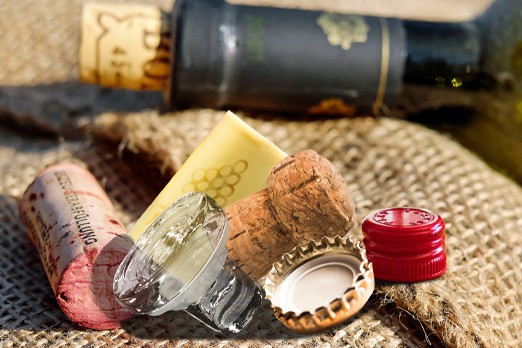
OLD SCHOOL CORK: NATURAL AND AGGLOMERATED WINE CORKS
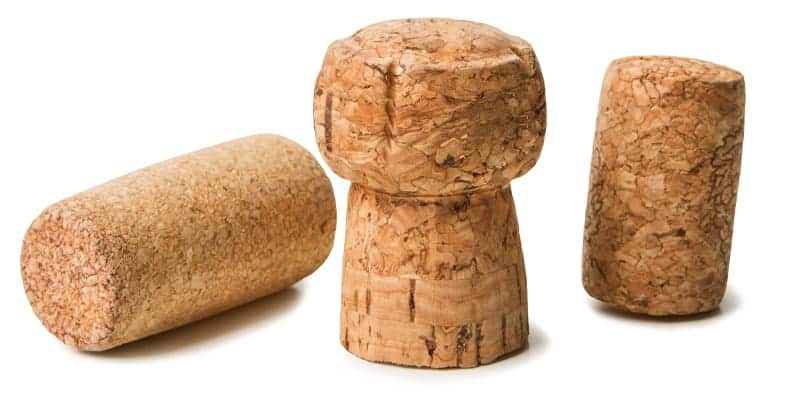
The old school cork is the most common type, at least in Italy.
Cork possesses characteristics that have deemed it the most appropriate material for the conservation of wine over the years. It is flexible, it does not absorb liquid, and its micropores allow for equally micro oxidation of the wine.
If it’s true that high levels of oxygen are the enemy of wine, when they are low (micro) it allows the wines to evolve over time in the bottle.
In fact, it is thanks to a light touch of oxygen that the wine can soften, and the tertiary aromas, or be it aging aromas, are multiplied.
Cork, therefore, is designated for every white and red wine thought to be aged and which can not only withstand spending many years in a bottle but which actually improves over time.
Therefore, if I am bottling an #Profound wine, the only long-lived among whites or a #Sage wine, the most suitable for aging among reds, I will necessarily have to use a cork.
But be careful! Cork stoppers are the only ones that can release the infamous “corky smell” to the wine.
In fact, a mushroom, Armillaria Mellea, can develop in the cork, which grows and releases unpleasant hints of mold, undergrowth, and dust in the wine. The smell of cork.
A good method to understand if that unpleasant smell we smell in the goblet is due to the cork is to in fact smell the cork.
If it smells musty then it’s the cork’s fault. If, on the other hand, it smells like wine, then the cause of our annoyance is due to other factors.
IT LOOKS LIKE CORK, BUT IT’S NOT, IT’S TO GIVE YOU JOY: THE SYNTHETIC CORK.
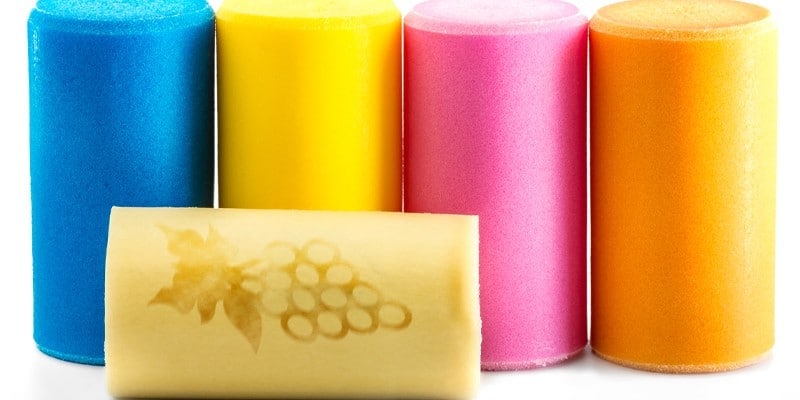
This type of cap does not have a very good reputation! For us Italians, the synthetic cap means only one thing: assured disappointment.
In fact, being cheaper than cork, many producers use it for cheaper and certainly not very poetic wines.
But in reality, these caps have many advantages if you just look at them from the right point of view. And our French friends have opened our eyes to this.
In fact, the synthetic stopper has many pros:
- it is cheaper
- can not develop fungi and pathogens
- does not give the smell of stopper
- does not crumble
- has insulating properties
Since it is not porous, it does not let oxygen in and therefore does not lend itself to aging wines, but it is absolutely perfect for wines made to be drunk when young and which do not need to evolve.
So most white wines, with a #Outgoing, #Exotic and #Charming character, but also for #Laidback and #Magnetic red wines.
Anyway, a synthetic cork is better than a cheap natural cork!
Just remember not to look for a phantom odor of cork when smelling them.
ALTERNATIVE WAVE: THE AKA STELVIN CAP SCREW CAP

If the synthetic stopper is a source of “softening” of the taste buds when we find it in our hands with great disappointment only after opening the bottle, the screw cap is not even taken into account.
We look at it suspiciously and with an ounce of outrage as it sits on the shelves.
We don’t talk about it then if a bottle with a screw cap comes treacherously to the restaurant table. We are almost tempted to change wine (or restaurant).
And once again we Italians are very wrong. This type of cork is widely used abroad and lends itself very well to all those wines that, as we said before, do not have to evolve in the bottle.
It’s simply perfect for whites – in New Zealand, it’s very popular for Sauvignon Blanc – and it is even fitting for young reds and those with a #Laidback character.
Some even claim that they have better yields on certain wines so much so that even in Italy they are thinking of using these closures to bottle renowned DOCG wines!
Imagine how many fewer bottles would taste corked.
They are also convenient to close the bottle when we put it back in the fridge!
IT’S NOT BEER, AND IT’S NOT EVEN A CRODINO: THE CROWN CAP
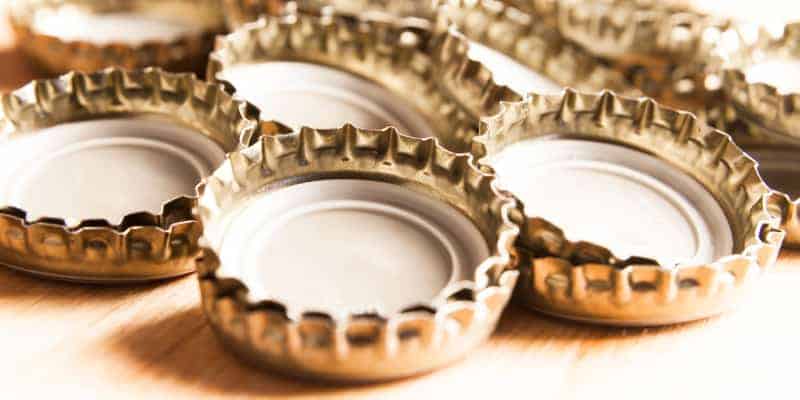
The crown cap is not the link between beer and wine. It represents the ideal closure for a specific type of wine, those re-fermented in the bottle.
These are the stoppers that our grandparents used to use to make nice (sometimes less) sparkling wines at home, to be uncorked in joy without too many pretensions.
Today they are back and hotter than ever, as bottle-refermented wines are the most hipster wines in existence.
We are talking about bottles such as Lambruschi, Prosecchi Col fondo, and wines in general that undergo the Ancestral type re-fermentation.
So if you see them, don’t mistake them for beer bottles or giant Crodino bottles… they are an experience you absolutely must try!
HALLEY’S COMET: THE GLASS CAP
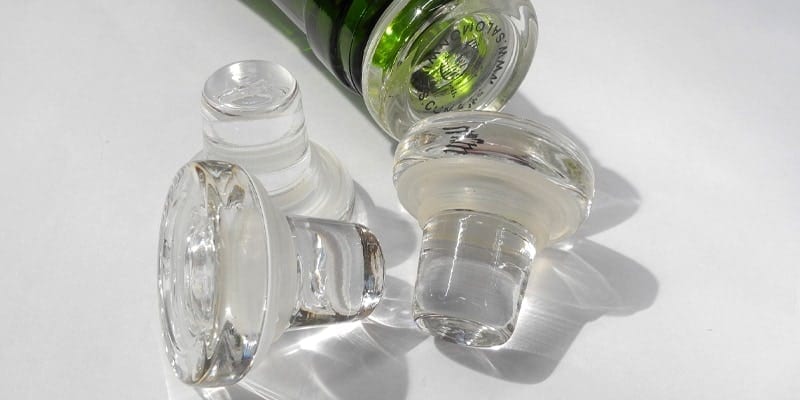
They certainly cannot be defined as “common” wine stoppers since they are rarer than unicorns, and yet glass stoppers seem to be the best on the market.
What gives us this absolute certainty? Well, the fact that, for example, glass is the same material that is used to make the bottles where the wine is stored!
Glass is formidable for various reasons:
- it is sterile
- is immune to the action of time
- the very small Elvax gasket and the aluminum capsule ensure that it is completely airtight
- does not require any equipment and is particularly simple
- glass is a perfectly recyclable material and therefore also environmentally friendly
- glass stopper is objectively beautiful.
So why don’t we see a proliferation of bottles with glass stoppers? The answer is in the cost and practicality. Therefore, while being very promising, glass has not received due success yet.
So, people, we hope that from now on you will have some more tools to judge your cork and especially your bottle.
In the meantime, if you want a suggestion on which wine to drink tonight, take our taste test and discover your ideal wine #Character!




 A story with a dreaming scent. We're in Tuscany, among Lucca hills, where it is possible to taste natural wines with the wide respet for what earth can offer to us.
 Wine and art: while they may seem unrelated at first glance, they actually have a lot in common. Let's explore some unique experiences to enjoy these two pleasures together.
 Heroic wine-making in Valtellina by the young people in the “Il Gabbiano” Cooperative. A wine-making journey to the tune of David Bowie.