As promised, here I am with 5 more crus that you absolutely must taste at least once in your lifetime. In the first part of this article, we talked about Bai Hao Yin Zhen, Long Jing, Matcha, Sencha, and Darjeeling Gopaldhara -FF… Are you curious to find out about the others?
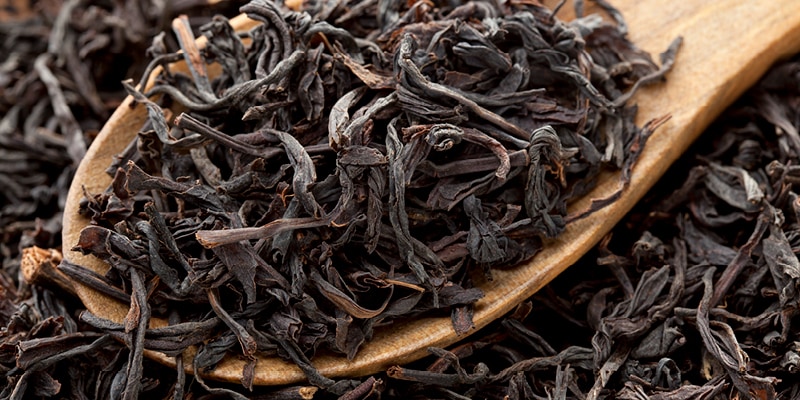
6) ASSAM HATIALLI
Assam is the best tea production area in India. Of the more than 800 tea estates, Hatialli is without a doubt the best oxidized black tea from this terroir.
The name of the garden comes from Hatti Alli, which means “road of elephants”. Thanks to its position and the favorable climate,
Hatialli manages to maintain a high qualitative level of its harvest year round. It’s recommended for those who are looking for a classic, rich and full bodied Indian black tea with subtle notes of malt, honey, and cocoa. It’s the morning tea par excellence, also perfect with a bit of milk and to accompany either a continental breakfast or an English breakfast.
7) TIE GUAN YIN
Tie Guan Yin, used during the traditional Gong Fu Cha preparations, is the most well-known Chinese Oolong tea. It comes from Anxi, in the Fujian region, where the cultivation of tea has a history which dates back thousands of years. The low oxidation, approximately 10-15%, gives it fresh notes and a rich floral bouquet (jasmine, magnolia, orchid, lily of the valley, wisteria, wildflowers) that’s persistent and inebriating.
Not at all astringent, it’s thirst-quenching, has a low caffeine content, and can be enjoyed at any moment of the day. Its intense aroma, yet clean after taste, cleanses the palate and exalts the flavor of foods. In particular, it goes well with spicy foods and lightly salted foods made with vegetables, rice, or white meats. It’s also excellent with a snack of baked sweets or as an accompaniment to fruit salad.
8) DA HONG PAO
Da Hon Pao is the most famous Oolong tea produced in the mountains of Wu Yi Shan, in northern Fujian, in China. In this uncontaminated area, protected by UNESCO, the Yan Cha rock teas are produced and, of these, Da Hong Pao is undoubtedly the best, so much so that it’s called “the king of Wu Yi Shan”. This historic tea is produced from clones obtained from the cuttings of four mother plants which date back to the Ming dynasty and are still alive today. Several kilograms of tea leaves are harvested and processed from these four plants each year. This small production is sold at truly exorbitant prices: each kilogram costs several tens of thousands of dollars. A true luxury for a fortunate few! This mountain tea, with a full structure and inebriating fragrance, can be steeped up to 8-10 times. It has a very round feel in the mouth, with a complex bouquet of well-balanced fruity, spicy, floral, leather, sandalwood, and tobacco notes.
This “must drink” tea for Oolong connoisseurs magnificently exalts red meat, spicy foods, salty foods (for example cured meats), smoked fish, and pasta filled with meat or vegetables.
9) ORIENTAL BEAUTY
This summer tea, from gardens located at an altitude of approximately 1400 meters, has an oxidation of 60%. Belonging to the Bai Hao variety, which literally means “white tip”, it’s the most famous Oolong tea produced in the Nantou county in Taiwan. This tea is known for a very unique event that makes it one-of-a-kind: the leaves are harvested in the summer, only after a very small and precious cicada has visited the gardens and nibbled on the leaves. With its bite, this insect, locally considered an angel sent from heaven, breaks the edges of the new leaves, activating an oxidation process in these leaves which are still alive and attached to the branches. Once they have been processed, the leaves turn a reddish brown, with the characteristic white tips. The taste is likewise altered by the insects’ bite, producing a complex tea with a bright amber color, fruity notes (predominantly peach, but also fig, prune, and cherry), and the aroma of honey, vanilla, spices (cinnamon and licorice), and wild orchid.
It was once simply called Formosa Oolong, then Queen Elisabeth II, enchanted by this incredibly special tea from the very first sip, renamed it Oriental Beauty.
It pairs well with legume soups, aged cheeses, spicy foods, pork, smoked fish, and cured meats.
10) PU’ER SHENG CHA
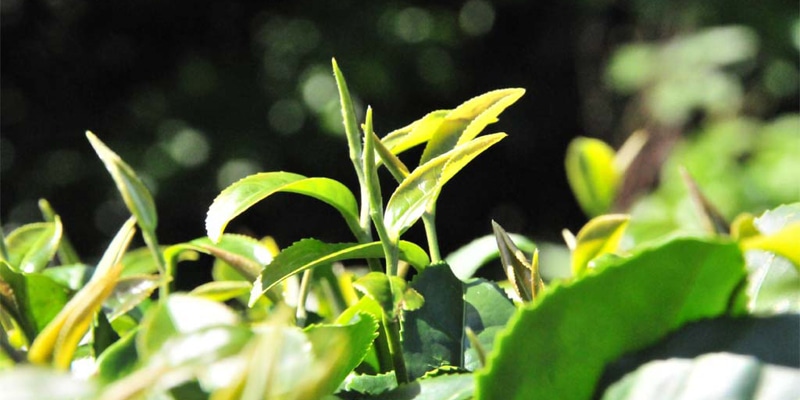
Green Pu’er tea (defined as raw and not cooked) initially undergoes a type of processing which is similar to that of green tea. After having been selected, the leaves of these Pu’er teas are traditionally dried in the sun, one of the characteristics that make the processing of these teas unique. In addition to its cake-like form, Pu’er can vary greatly in terms of size and shape: small nests (tuo cha or mini-tuo cha), squares or rectangular bricks, squash shaped, or loose leaf (tea leaf).
Fresh and persistent, it’s a tea that gets better with age, allowing more complex aromatic notes to emerge. It’s interesting to taste again and again over time, so as to follow its evolution into a true fermented black tea. It beautifully exalts vegetable-based pasta dishes and fish-based second courses.
MY DREAM
What’s my dream for the future? To never again hear someone say “I don’t like tea”.
I’m certain that there’s a tea for everyone, capable of unearthing a world of sensations. Out of these 10 crus which I’ve selected, I invite you to find the right tea for you…the one that will win you over.




 What is terroir and how does it affect the aroma and flavor of tea? Can this technical term be extended to tea production or is it specific to the world of wine production?
 A few suggestions for travelling the world through a cup of tea, sparking your imagination, spicing up your life by trying new flavors, expanding your sensory horizons, and discovering the 10 best crus which everyone must taste at least once in their lifetime.
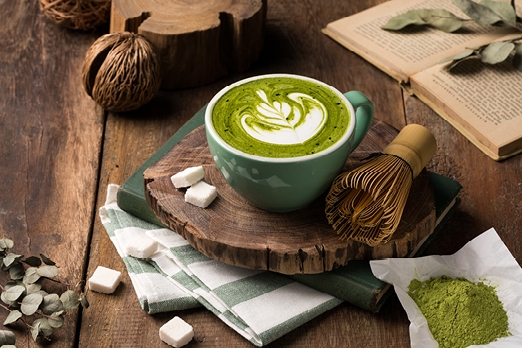 Matcha means powdered tea, but not all powdered teas are matcha! So what is real matcha and, above all, how can we recognize it?