Specialty, specialty, and more specialty. How often do we hear this word used to add a sense of “exclusivity”? To get a sense, at the Milan Coffee Festival, we used the word “specialty” with people often, taking the term for granted, when all of a sudden someone asked: what exactly does “specialty” mean?
Okay, so let’s take a step back. For those who don’t work in the sector and for those who have never heard this term before in their lives, today we’ll clear up what a specialty coffee is. The answer is simpler than one might think: it’s a fresh and well-balanced Arabica coffee that, above all, has no primary defects.
YOU’RE SPECIALTY ONLY IF…
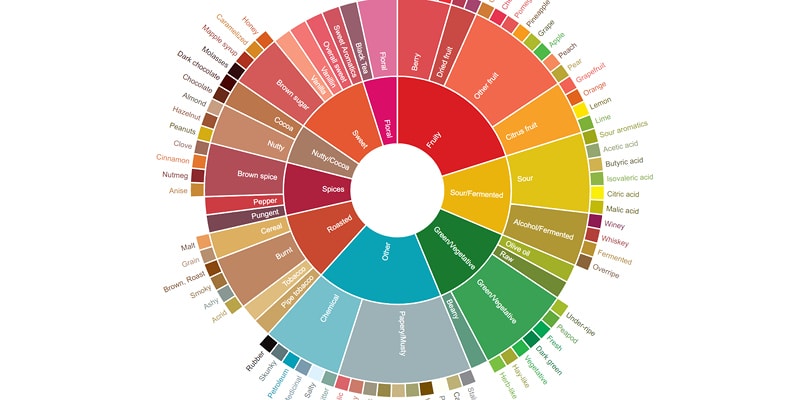
A fresh coffee that’s free of defects doesn’t necessarily have to be an incredibly complex coffee, but simply one whose cupping assessment presents, for example, no bitter or woody notes. Its sweetness must be well-balanced by its acidity, giving it a soft quality that will create a delicate and pleasant sensation in the mouth. A good coffee is one with a score above 80 and that’s certified a “Specialty Coffee” according to the SCA tasting protocol.
IS SPECIALTY COFFEE TOO ACIDIC?
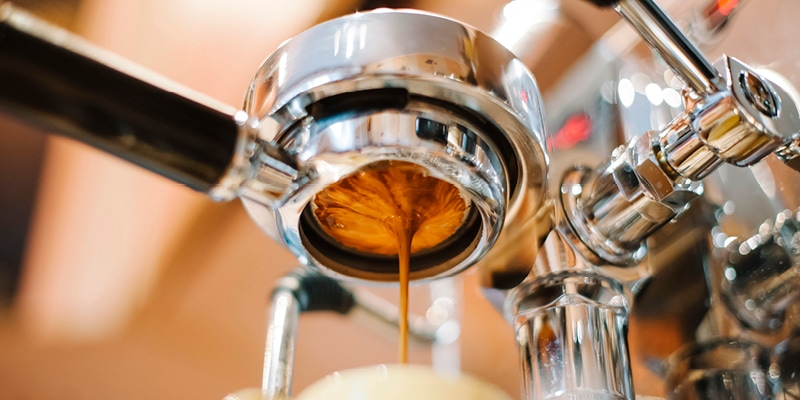
Allow us to let you in on a little secret. In the world of specialty coffee, acidity is a quality and not a defect. But not because coffee gurus happen to be masochists (we assure you that they definitely don’t enjoy taking bites out of lemons!). We love the acidity in a cup of specialty coffee as part of the greater whole, in which it’s balanced by the sweetness of soluble carbohydrates. Furthermore, for those who turn coffee into a work of art, acidity and sweetness can be adjusted, in the first place, by the coffee roaster, who studies the product in order to create its customized roasting profile, thus allowing the best aromatic notes to emerge in the cup.
€1 PER CUP ISN’T ENOUGH!
It’s true, €1 per cup should never be enough! Even a commercial cup should cost at least twice that. That coffee is one of the great culinary misunderstandings, especially in Italy, has become a well-known fact which (fortunately!) is starting to spread in recent years.
Returning to our “specialty coffees”, these will cost more as compared to the average. The price must be differentiated, because this helps to let consumers know that there are some coffees, like specialty coffees, that are better than others. A cup of this kind of coffee represents the life story and work of many people. It’s a complex industry that starts on the other side of the planet. Learn about it in this article!



 Whether you’re invited to dinner or after-dinner drinks, getting together with an old friend that you haven’t seen in ages or visiting a co-worker at home, you can’t go wrong with a bottle of something. There’s just one problem: a friend who doesn’t drink (alas!). But we’re here to assist you with the most difficult choices and at the most challenging times, with a fantastic list of alcohol-free gifts.
 Specialty Coffee, a worldwide trend that has taken Milano. Allow it to inspire you and delight your senses by visiting this wonderful coffee bars and try their exquisite coffee.
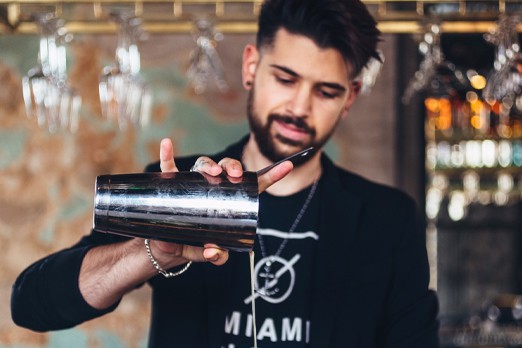 Travel into paradisiacal places with Daniel Pappa, one of the five bartenders interviewed during the Coffee Cocktail Summer Edition.